Why Banning Things Makes People Want Them More
Why Banning Things Makes People Want Them More
Action Bias: Why Doing Nothing Is Often the Best Move
Illusory Superiority: Why You Think You're Above Average
Status Quo Bias: Why Your Brain Fears Change

Cheerleader Effect: Why You Look Better in Group Photos

Why We're Bad at Predicting Happiness: Focusing Illusion
TL;DR: The waiter rule, the idea that how you treat service workers reveals your character, is backed by decades of psychology research showing power erodes empathy, wealth reduces generosity, and dark personality traits predict mistreatment of subordinates.
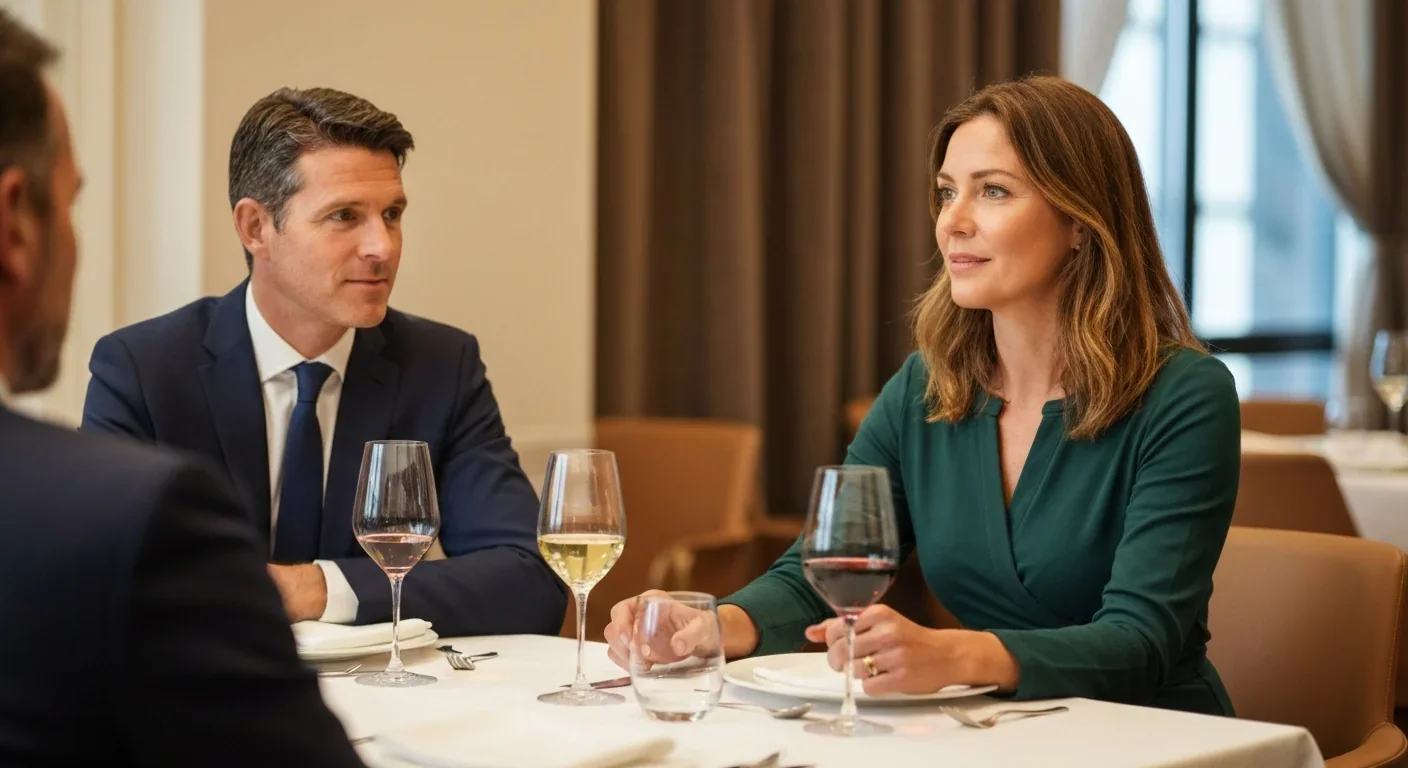
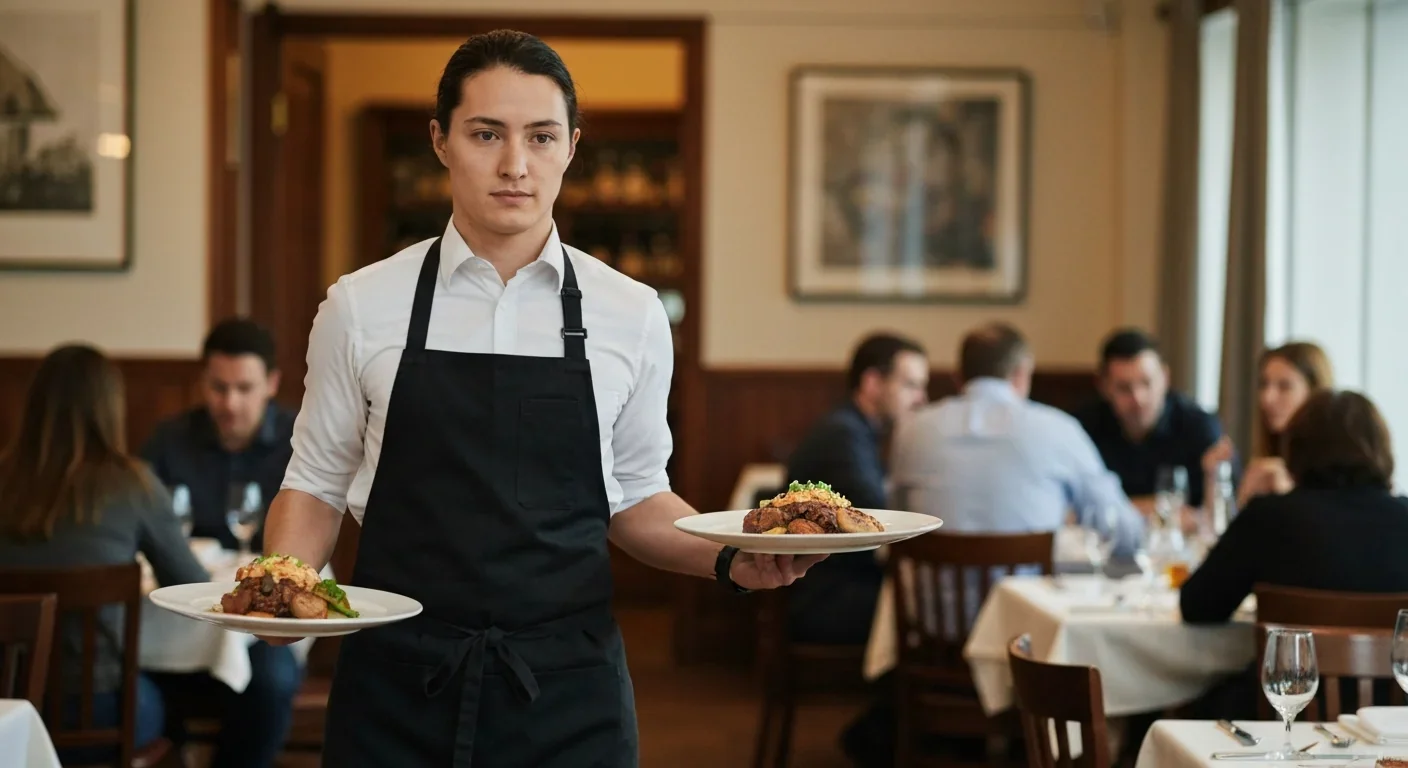
You're sitting across from a job candidate at a nice restaurant. They're charming, articulate, and their resume is flawless. Then the server brings the wrong drink. Watch carefully. What happens in the next ten seconds might tell you more about this person than anything they've said in the last hour. This is the waiter rule, and it turns out there's serious science behind it.
The idea that how someone treats service workers reveals their true character has been floating around boardrooms and dinner tables for centuries. The German poet Johann Wolfgang von Goethe put it plainly: "Never trust someone who is unkind to those who can do nothing for him." But the concept got its modern branding in 2005 when William H. Swanson, then CEO of defense giant Raytheon, published his booklet Swanson's Unwritten Rules of Management. Among the 33 rules was what became known as the "waiter rule," a guideline that quickly spread through CEO circles and executive recruiting as an informal character test.
The rule itself is straightforward: a person who is nice to you but rude to the waiter is not a nice person. As USA Today columnist Del Jones put it, "How others treat the CEO says nothing. But how others treat the waiter is like a magical window into the soul."
"How others treat the CEO says nothing. But how others treat the waiter is like a magical window into the soul."
- Del Jones, USA Today
There's an ironic twist to Swanson's story. In 2006, the New York Times exposed that large portions of his booklet were plagiarized from a 1944 engineering classic and other sources. Raytheon withdrew the book and cut Swanson's compensation by roughly $1 million. A man who wrote rules about character had his own character questioned. But the waiter rule itself survived the scandal because it wasn't really Swanson's idea. It was an observation people had been making for generations. He just gave it a catchy name.
So why does the waiter rule work? The answer starts with what power does to the human brain.
Dacher Keltner, co-director of the Greater Good Science Center at UC Berkeley, has spent decades studying power's psychological effects. His research consistently shows that people with higher social power exhibit reduced empathy and compassion in controlled experiments. High-status individuals in his studies showed a 30% lower rate of prosocial helping compared to low-status peers.

One of Keltner's most telling experiments involves the letter E. Participants were asked to draw the letter on their foreheads. Those who had been primed to feel powerful consistently drew it facing themselves rather than the observer, a small but revealing sign they'd lost the ability to see things from someone else's perspective.
The biology behind this is striking. Adam Galinsky, professor of leadership and ethics at Columbia Business School, found that when people are placed in positions of power, their testosterone rises and cortisol drops. The result is reduced fear, increased impulsivity, and a diminished capacity for perspective-taking. Power literally activates approach-related behaviors while dampening inhibition.
Power changes your brain chemistry. When you feel powerful, testosterone rises, cortisol drops, and your capacity to see things from another person's perspective measurably declines.
As Keltner bluntly summarizes it: "Power is a corruptive force. When we're powerful, we don't share. We're greedy."
This is why the restaurant becomes such an effective laboratory. When you're the customer and someone else is the server, you hold a small but real form of social power. The question is what you do with it.
Paul Piff, a social psychologist at UC Irvine, has taken this research further by examining how socioeconomic status shapes prosocial behavior. His 2010 study in the Journal of Personality and Social Psychology found that people from lower socioeconomic backgrounds exhibited higher levels of generosity than wealthier individuals.
His 2012 study, published in the Proceedings of the National Academy of Sciences, was even more provocative. Across seven separate studies, Piff demonstrated that higher social class predicted increased unethical behavior, from breaking traffic laws to lying in negotiations to endorsing unethical behavior at work. In one famous field observation, BMW drivers were more likely to cut through pedestrian zones than drivers of lower-status vehicles.
By 2014, Piff had connected the dots even further, showing that wealth correlates with higher narcissism, entitlement, and a more inflated sense of self. The theoretical framing is revealing: lower-class environments tend to cultivate collective orientations, while upper-class contexts foster individualism.
But Piff's research also offers hope. His work on awe shows that experiences of wonder and humility can counteract the empathy-eroding effects of status. Even high-status participants who were exposed to awe-inducing experiences showed increased willingness to help others.
Not everyone who snaps at a barista has a personality disorder. But the research on dark triad traits, the combination of narcissism, Machiavellianism, and psychopathy first identified by Paulhus and Williams in 2002, suggests that consistently poor treatment of service workers may signal something deeper.
A 2026 systematic review and meta-analysis published in Frontiers in Psychology found that all three dark triad traits were positively associated with workplace bullying. Psychopathy showed the strongest correlation at r = 0.53, followed by narcissism at r = 0.40 and Machiavellianism at r = 0.35.
The Cleveland Clinic notes that narcissistic personality disorder features a lack of empathy and willingness to exploit others as core DSM-5-TR diagnostic criteria. Research shows that NPD patients have an impaired ability to recognize facial expressions and lower emotional intelligence, yet they tend to overestimate their own capacity for empathy.
The concept of social dominance orientation adds another layer. People who score high on SDO, meaning they strongly prefer social hierarchies, show reduced empathy toward lower-status groups. In essence, they've built a mental framework where some people simply matter less than others.
This is where the waiter rule gains its predictive teeth. Treating service workers poorly doesn't just signal rudeness; it can indicate a stable personality pattern of low empathy, high entitlement, and a tendency to divide the world into people who matter and people who don't.
The corporate world figured this out early. Ron Shaich, the CEO of Panera Bread, reportedly takes candidates to lunch and then asks his assistant how they treated her. Venture capitalists observe how candidates handle slow service during interview meals. Many hiring managers have reported rejecting candidates based on how they treated restaurant staff.
The logic is sound. If someone can turn charm on and off depending on whether they're talking to a decision-maker or a busboy, they have what Swanson called a "situational value system", and that's a liability in any organization.
"Watch out for people who have a situational value system, who can turn the charm on and off depending on the status of the person they are interacting with."
- Bill Swanson, former CEO of Raytheon
Dating experts have reached the same conclusion. Therapist Terri Cole specifically advises paying attention to how a date treats people in service roles: "If their tone is dismissive, condescending, or rude, that reveals much about their character." She lists consistent respect toward everyone as a green flag, noting that her husband "always thanks the toll-booth operator and treats everyone with the same level of kindness."
A survey on dating red flags found that rudeness toward service staff scored a severity rating of 3.74 out of 5. As one researcher noted, "When you're investing in a long-term partner, you're not just choosing who's nice at dinner. You're choosing who they are when things go wrong."
This matters beyond character assessment. Real people absorb the consequences of how customers treat them.
An analysis of global studies, including 17 U.S. studies, found that food and bar workers experience elevated levels of burnout, depression, and anxiety. The Institute of Customer Service reported that over 50% of service workers experienced increased hostility in recent years. In upscale restaurants, 38% of employees were depressed and over half experienced anxiety.

The retail sector tells a similar story. A 2023 American Psychological Association survey found that 19% of workers describe their environment as toxic, and 48% of retail employees cite anxiety as a reason for quitting. Since the pandemic, 64% of service workers report an increase in verbal abuse.
Over 50% of service workers have experienced increased hostility in recent years. In upscale restaurants, 38% of employees report depression and over half experience anxiety. How you treat your server has real consequences for another human being.
As one former service worker described it: "They're furniture that happens to have a pulse." People who've worked service jobs carry the memory of that invisibility, and research suggests it shapes their behavior for life. They default to grace instead of judgment because they know what it feels like to be on the other side.
The waiter rule isn't perfect. Several important caveats deserve attention.
Cultural differences matter. SDO scores vary significantly across societies; democratic cultures tend to score lower, while more traditional hierarchical societies score higher. What looks like rudeness in one culture might be normal interaction in another. In some cultural contexts, helping a waiter clear plates is considered polite; in others, it's seen as intrusive.
Bad days happen. Someone dealing with grief, chronic pain, or extreme stress might be shorter with a server than they'd normally be. The waiter rule works best as a pattern detector, not a single-incident judgment.
Neurodivergence complicates the picture too. People with autism spectrum conditions may struggle with the social niceties of service interactions without any lack of underlying care or empathy. Passive assertiveness, where helpfulness stems from social anxiety rather than genuine warmth, adds another wrinkle.
And there's moral licensing to consider: the psychological phenomenon where people who feel they've already demonstrated their goodness give themselves permission to behave badly in other contexts.
The waiter rule endures because it captures something fundamental about human nature. When the stakes are low, when nobody important is watching, when the person across from you has no power over your career or your social standing, who are you?
Research on kindness suggests that people who consistently treat service workers well tend to have higher agreeableness, emotional intelligence, and secure attachment styles. Brain imaging studies show that acts of kindness activate the same reward centers as eating chocolate or winning money, producing a lasting satisfaction known as the "helper's high."
The next time you're at a restaurant, the most interesting person at the table might not be the one telling the best stories. It might be the one who looked the server in the eye, used their name, and said thank you. That person is telling you everything you need to know about themselves. The question is whether you're paying attention.
Project Orion was a real 1960s program to reach other stars by detonating 800 nuclear bombs behind a spacecraft. The physics worked and the engineering was feasible, but the 1963 nuclear test ban treaty killed it. It remains the most credible interstellar spacecraft ever designed.
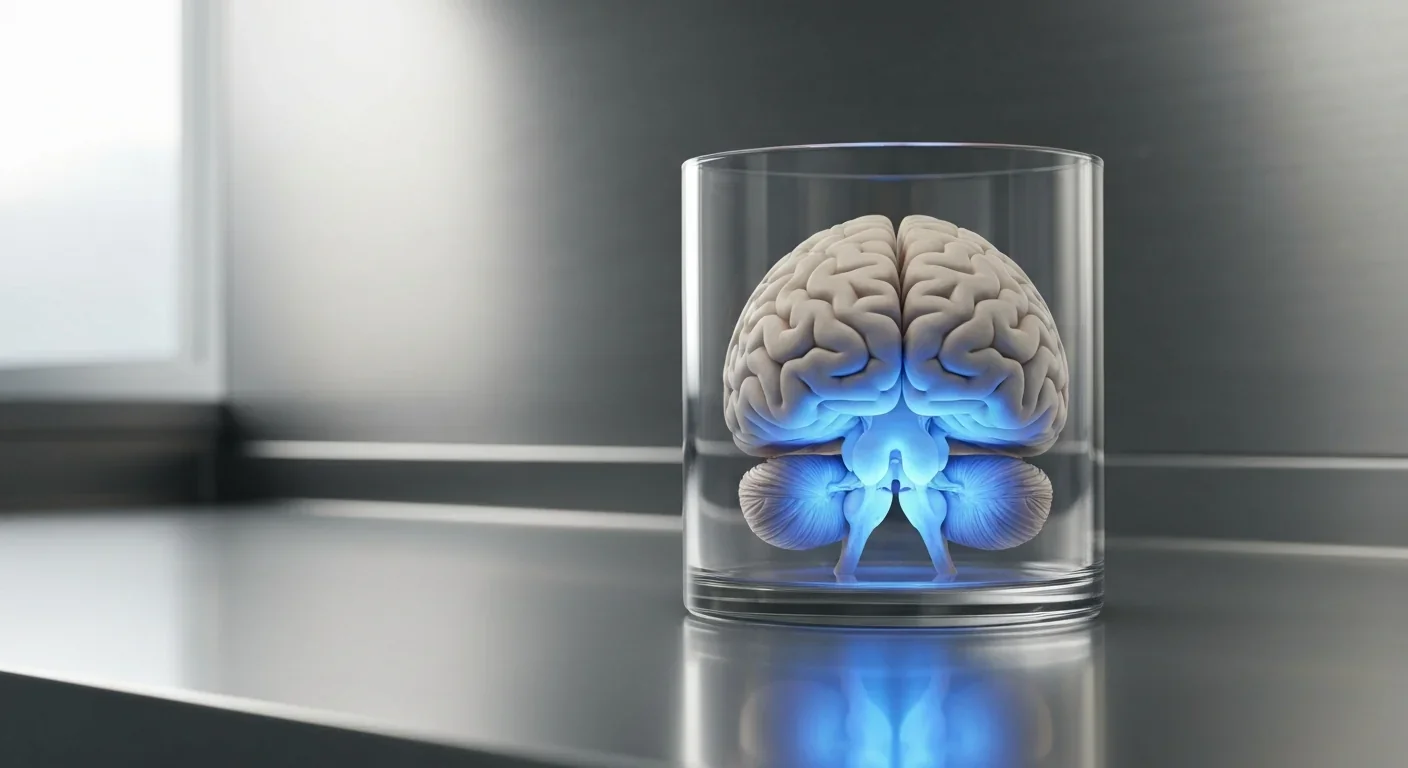
The locus coeruleus, a tiny brainstem structure, degenerates decades before Alzheimer's symptoms appear. Its loss cripples the brain's inflammation control, waste clearance, and sleep regulation. New imaging tools and noradrenergic therapies offer hope for early detection and prevention.
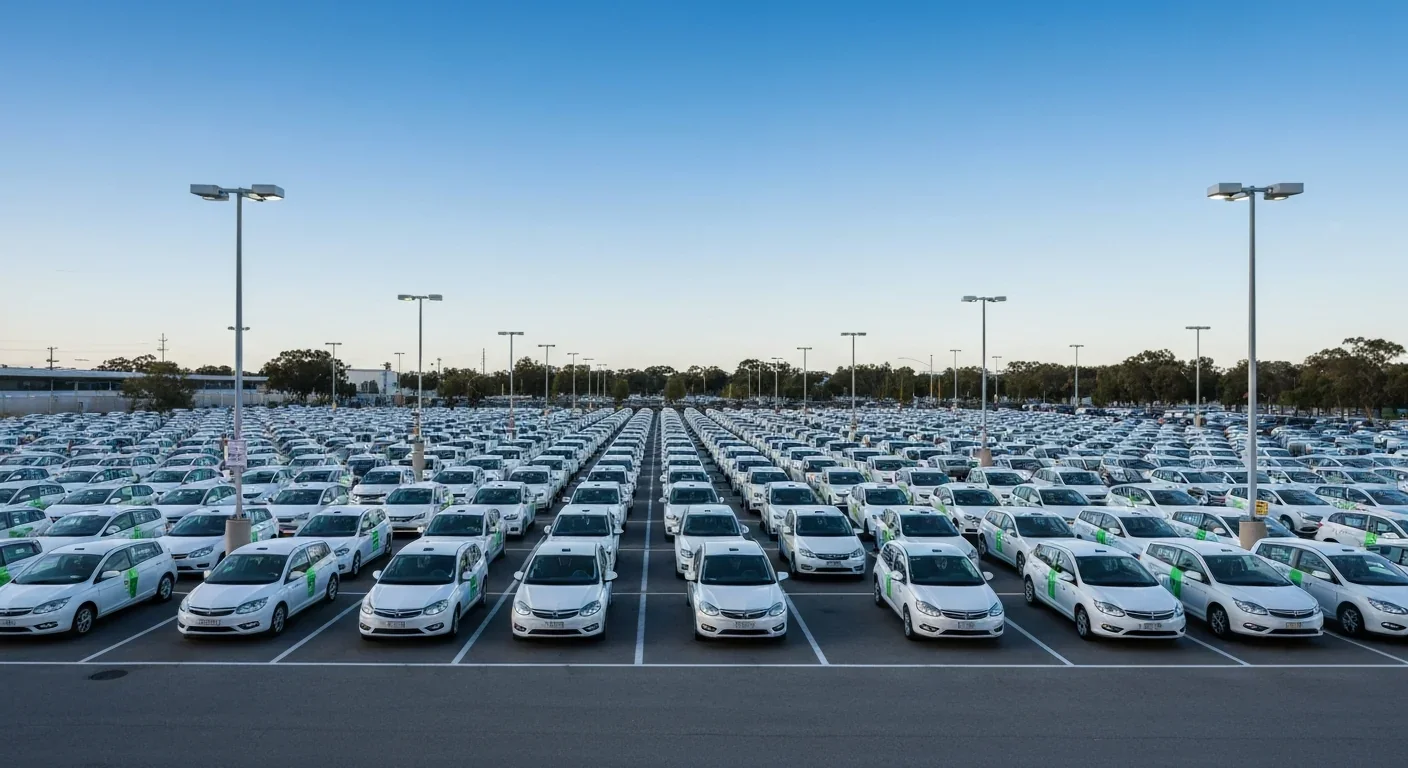
Research shows the sharing economy often increases total resource consumption through the Jevons paradox and rebound effects. Ride-sharing adds billions of vehicle miles, co-working spaces use more energy per worker, and diffused responsibility erodes conservation behavior. Breaking the paradox requires congestion pricing, accountability design, and matching sharing models to appropriate resource types.
Psychological reactance theory explains why banning or restricting things makes people want them more. From Prohibition to the Streisand effect to scarcity marketing, research shows that threatening people's freedom reliably backfires, and autonomy-supportive communication is far more effective.
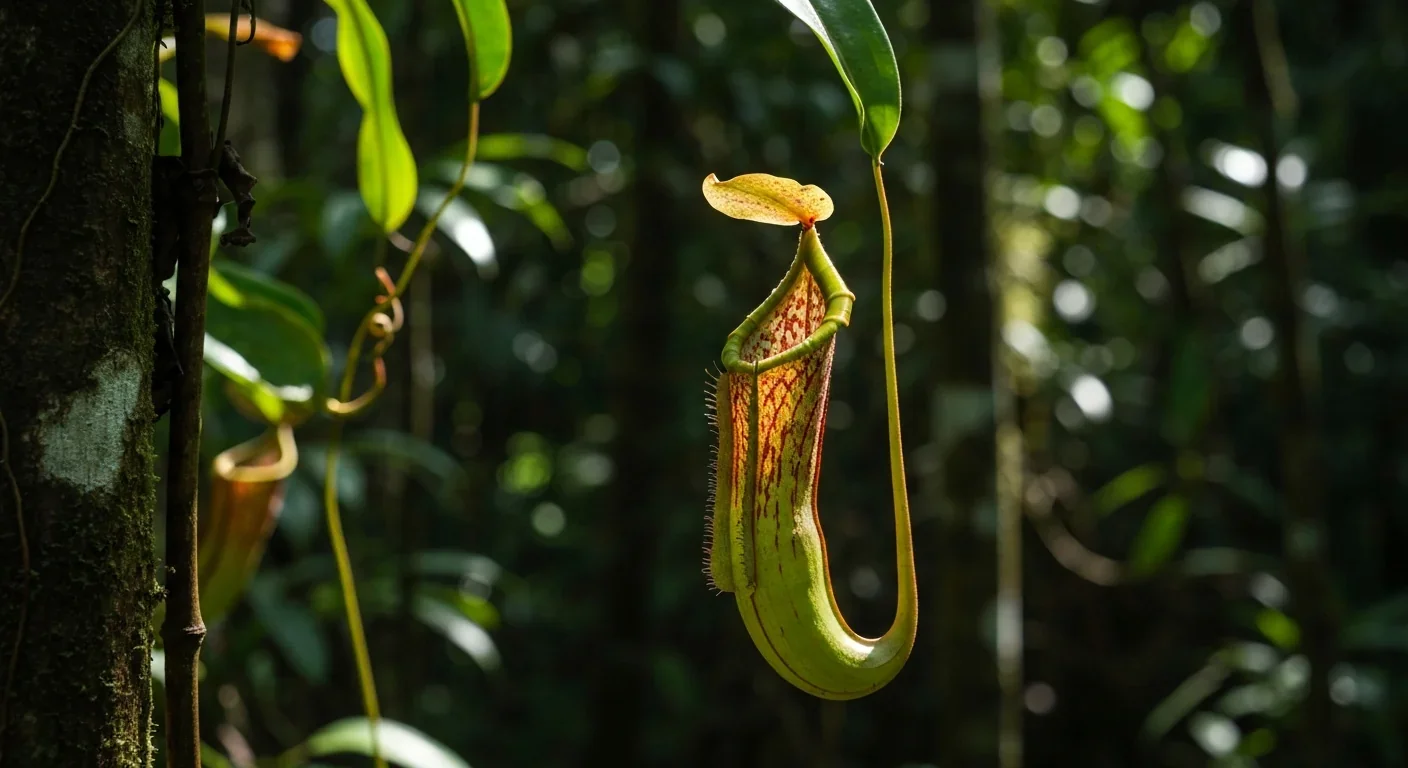
A carnivorous pitcher plant in Borneo evolved to house bats instead of trapping insects, gaining up to 95% of its nitrogen from bat guano. The plant even built an ultrasonic reflector to help bats find it, revealing that carnivory in plants is a flexible spectrum.
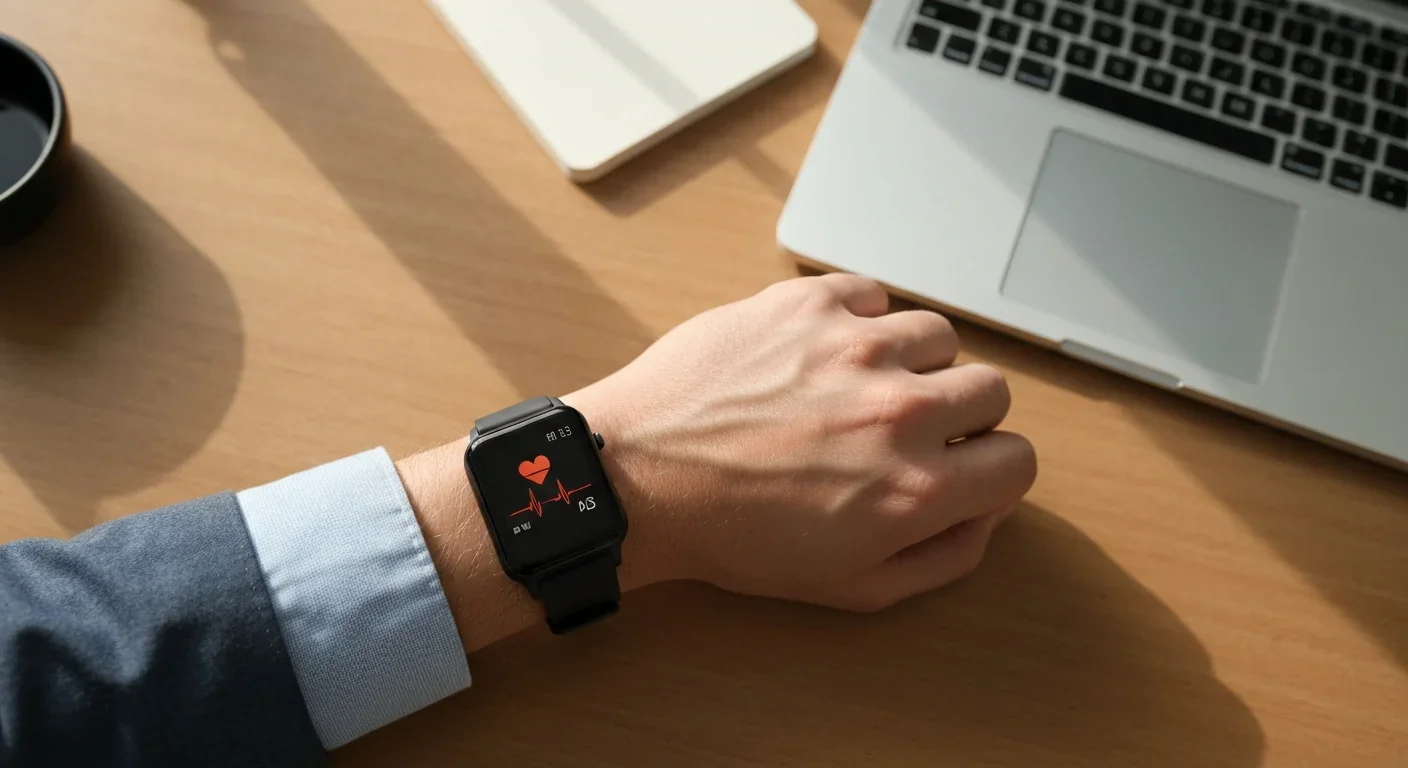
The quantified self movement began as a hacker-ethos pursuit of personal insight, but corporate wearables now funnel biometric data to employers, insurers, and data brokers. With 81% of Americans wrongly believing health apps are HIPAA-protected, a regulatory void enables health data to be sold for pennies while generating anxiety instead of empowerment.
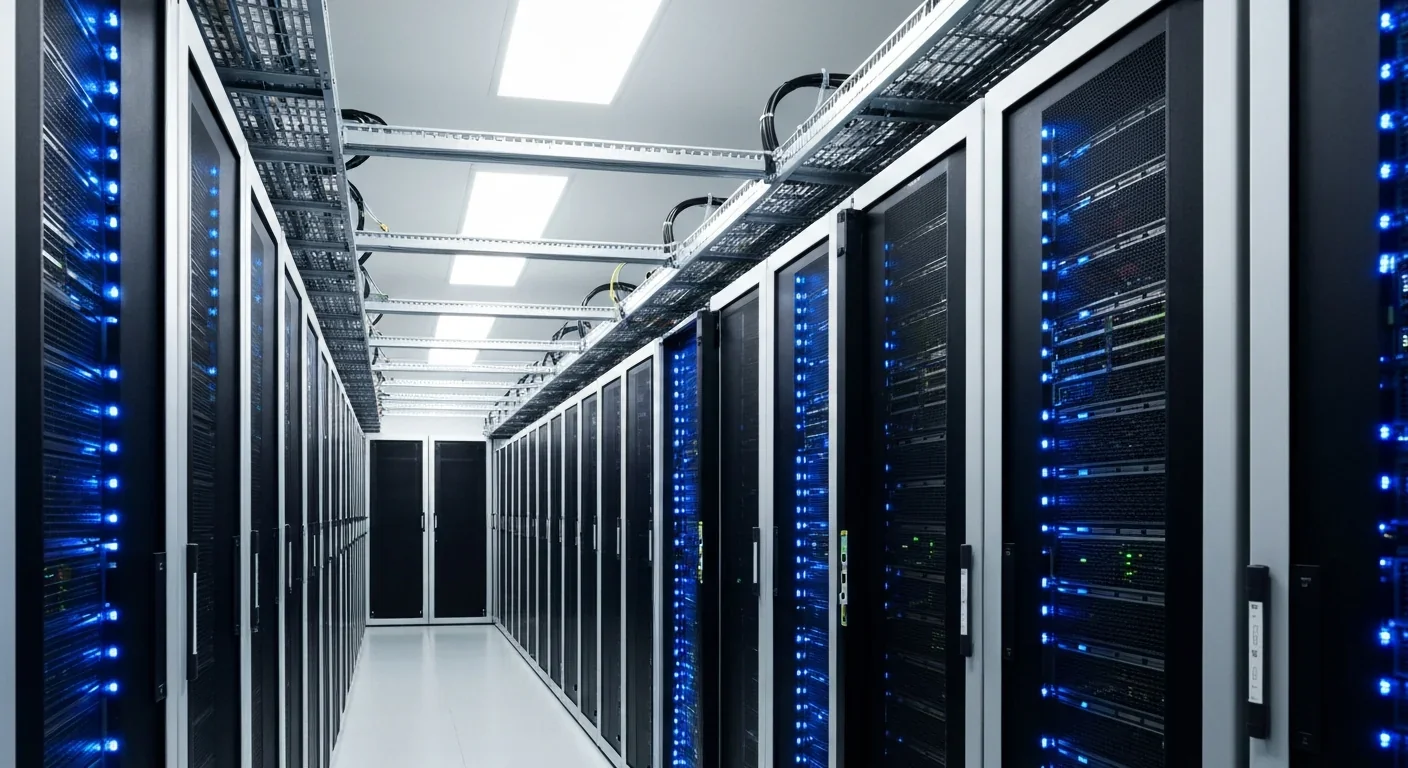
CXL memory pooling lets servers dynamically share DRAM over a cache-coherent interconnect, eliminating the 40% stranded memory waste in data centers. With commercial hardware now shipping and Azure deploying CXL cloud instances, this technology promises to cut memory costs by 50% while enabling composable infrastructure.

Loading featured articles...