Why Banning Things Makes People Want Them More

Why Banning Things Makes People Want Them More
Action Bias: Why Doing Nothing Is Often the Best Move

Illusory Superiority: Why You Think You're Above Average

Status Quo Bias: Why Your Brain Fears Change
The Waiter Rule: Psychology of How You Treat Servers

Cheerleader Effect: Why You Look Better in Group Photos
TL;DR: The reciprocity instinct, evolved to ensure cooperation in ancient tribes, creates an invisible ledger of social debt whenever we receive gifts or favors. Marketers exploit this through free samples, corporate gifting, and persuasion techniques, but understanding the mechanism lets you choose when to honor it and when to override it.

The next time someone hands you a free sample at the grocery store, pay attention to what happens inside your chest. There's a tightening, a subtle pull, a voice whispering that you should probably buy something now. That feeling isn't random. It's one of the oldest psychological programs running in your brain, and it shapes everything from ancient tribal gift exchanges to modern billion-dollar marketing campaigns. Understanding it might be the most useful thing you learn all year.
Here's what researchers have known for decades but most people never think about: every human being maintains a mental accounting system for social debts. When someone does you a favor, buys you coffee, or sends you an unsolicited gift, your brain automatically opens a new line item. You now owe something back. The anthropologist Marcel Mauss identified this pattern back in 1925, documenting how gift exchange systems across Polynesian, Melanesian, and Northwest Coast societies all operated on the same fundamental logic: gifts are never truly free. "The objects are never completely separated from the men who exchange them," Mauss wrote, capturing the idea that every gift carries a piece of the giver and an expectation of return.
What Mauss observed in tribal societies, modern psychology has confirmed with controlled experiments. In 1971, researcher Dennis Regan ran an elegant study where a confederate either bought participants an unsolicited Coca-Cola or didn't. Later, the confederate asked participants to buy raffle tickets. The results were striking: people who received the unsolicited drink were twice as likely to buy raffle tickets from the giver, regardless of whether they even liked the person. The small, uninvited favor was a far stronger predictor of compliance than personal liking. That finding should give you pause.
"When someone does you a favor, you feel you owe that person. If you fail to return the favor, you are likely to feel guilty."
- Evolutionary theory of reciprocal altruism, as summarized in reciprocity research
This reciprocity instinct didn't appear out of nowhere. It evolved because it solved a critical survival problem for our ancestors. In small, cooperative groups, individuals who helped others and remembered who helped them had a massive advantage. Share your food today, and someone shares theirs when you're hungry tomorrow. Refuse to play the game, and you risked social exclusion, which in prehistoric environments meant death.

Robert Trivers formalized this idea in 1971 with his theory of reciprocal altruism: organisms temporarily reduce their own fitness to increase another's, with the expectation that the favor will be returned. The key requirement is repeated interactions and a mechanism for detecting cheaters. Without those, cooperation collapses. This is why the Tit-for-Tat strategy, demonstrated by Axelrod and Hamilton in game theory simulations, proved to be one of the most evolutionarily stable approaches. Cooperate first, then mirror what the other person does. Simple, effective, and deeply embedded in our psychology.
Even vampire bats follow this logic. A bat that receives a shared blood meal is more likely to share in return, preventing starvation within the colony. Across species from cleaner fish to elephants, the pattern repeats. But humans took it further. We developed complex cognitive systems for tracking social exchanges, remembering favors, and feeling genuinely uncomfortable when the ledger is imbalanced. That discomfort isn't a bug. It's the feature that kept our ancestors alive.
W.D. Hamilton's inclusive fitness theory and Trivers' reciprocity framework together explain why this instinct feels so automatic. It was selected for over hundreds of thousands of years because groups with strong reciprocity norms outcompeted those without them. The drive to repay is so deeply coded that it operates below conscious awareness, which is exactly what makes it so powerful and so exploitable.
Neuroimaging studies have identified the ventromedial prefrontal cortex and anterior insula as key regions activated during the perception of social obligation. These are areas involved in evaluating social information and processing emotional responses to fairness violations.
When you receive a gift, your brain's reward systems light up, releasing dopamine and oxytocin. These neurochemicals are closely linked to feelings of pleasure, empathy, and trust. But here's the twist: the reward comes paired with an activation of regions that process social evaluation and obligation. You feel good and indebted simultaneously.

Research from UCLA's Inagaki and Ross found that providing targeted social support to specific individuals activates the ventral striatum and septal area, brain regions associated with parental care and reward. When the septal area activated during targeted giving, amygdala activity decreased, suggesting that directed generosity actually reduces stress for the giver. Gift giving activates the same reward centers as eating chocolate or receiving money, creating what researchers call a "helper's high."
The reciprocity loop has a double hook: the receiver feels obligated, and the giver gets a dopamine hit that encourages them to keep giving. Both sides are neurochemically incentivized to keep the cycle going.
The corporate gifting industry is worth over $242 billion globally and growing at 8.1% annually. That number alone tells you how seriously businesses take the reciprocity effect. And the data backs up their investment: 52% of gift recipients do business with a company after receiving a corporate gift, and 46% of recipients say year-end gifts make them more likely to continue a vendor relationship.
The classic demonstration comes from Cialdini's restaurant study. When a waiter left one free mint with the bill, tips increased by 3%. Two mints pushed the increase to 14%. But when the waiter left one mint, started walking away, then turned back and offered a second with a personal comment, tips jumped 23%. The personalization and apparent spontaneity amplified the reciprocity response dramatically.
Free sample marketing has been shown to increase purchase rates by up to 2,000% in supermarket settings. That's not a typo. A tiny piece of cheese on a toothpick can make shoppers twenty times more likely to buy. The mechanism is straightforward: offering something of value creates instant appreciation, making shoppers more inclined to buy.
Modern brands have refined this into an art form. Spotify offers 30-day free trials. Amazon's Prime free trial converts users who have experienced the convenience into paying subscribers. Blue Bottle Coffee provides free brew guides for AeroPress and Chemex users. Each of these creates what behavioral scientists call a psychological debt that pushes customers toward positive actions.

Marketers and negotiators have developed specific techniques that weaponize reciprocity. The door-in-the-face technique, first demonstrated by Cialdini in 1975, works by making an outrageously large request first. When the person refuses, you follow up with a smaller, more reasonable request. In Cialdini's original experiment, only 17% agreed to chaperone at a zoo when asked directly, but 50% agreed after first being asked to volunteer two hours per week for two years.
The Hare Krishna movement perfected a street-level version of this in the 1970s. Members would press flowers into the hands of airport travelers, then ask for donations. The unsolicited gift made it psychologically difficult to refuse, and donations increased dramatically. People would often throw the flowers away afterward, but they'd already opened their wallets.
Perhaps the most concerning application is in pharmaceutical marketing. In 2016, the 12 largest pharmaceutical companies spent more than $120 billion on marketing, compared to $75 billion on research and development. Free drug samples, co-pay coupons, and industry-funded continuing medical education all function as gifts that create implicit social debts. Research shows pharmaceutical gifts influence prescribing behavior even when doctors believe they are completely unaffected.
"Most physicians are unable to recognize commercial bias in industry-funded materials, which makes CME an extremely effective marketing tool."
- Knowledge, Praxis, and Innovation in Health Professions (KPIHP) research review
Reciprocity is universal, but how it plays out varies enormously across cultures. A study of 33 countries found that tight, collectivist cultures emphasize reciprocity more strongly and are more likely to use punishment to enforce reciprocity norms compared to loose, individualist cultures.
A particularly revealing set of experiments by Shen, Wan, and Wyer compared how Hong Kong and Canadian participants responded to small gifts from casual acquaintances. Asian participants were significantly more likely to refuse a small gift to avoid feeling indebted. In one experiment, 26% of Canadian participants let a friend pay a taxi fare, versus only 9% of Hong Kong participants. The difference was mediated by perceived indebtedness and face-saving concerns.
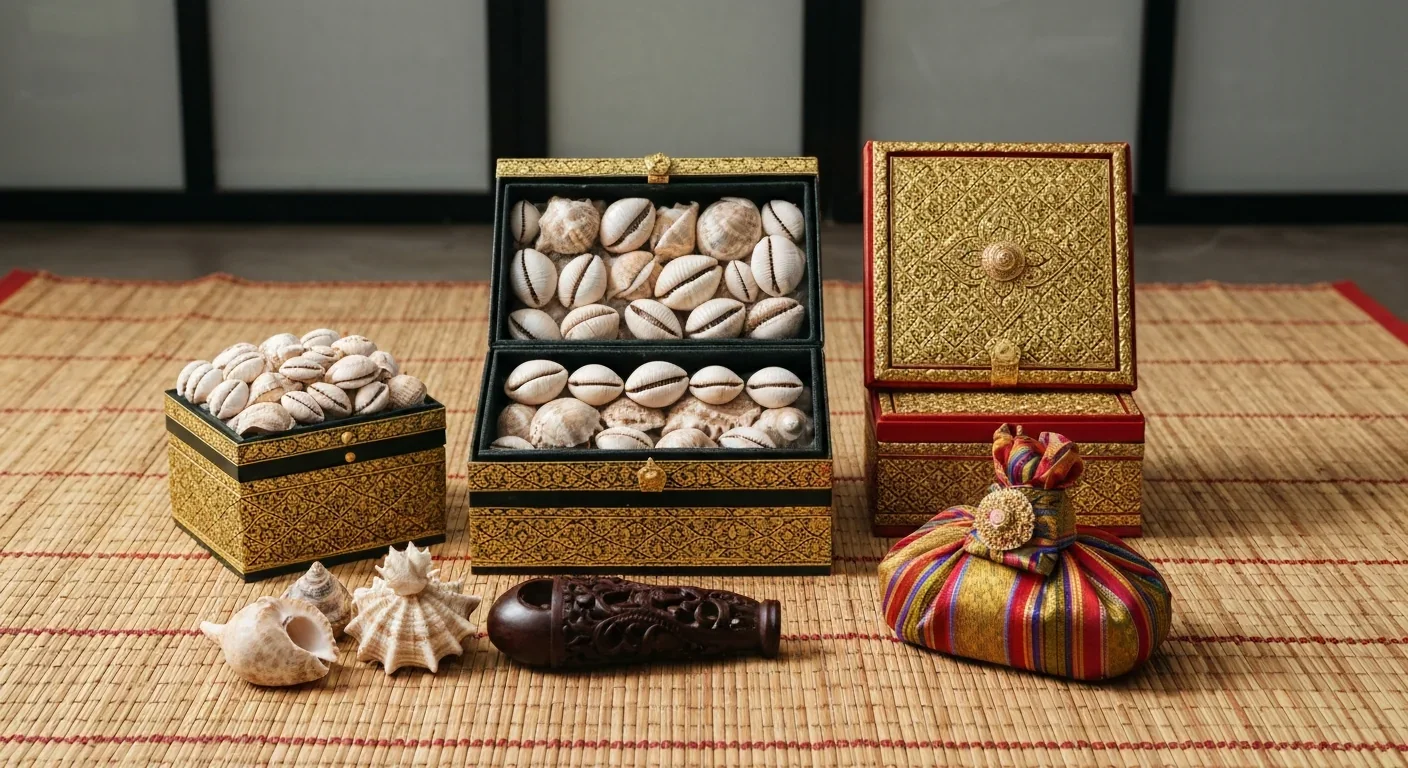
In Papua New Guinea, the Moka exchange system ritualizes this dynamic. Gifts of pigs and shells must be returned in equal or greater value, and a person's prestige depends on giving more than they receive. In the Trobriand Islands, the Kula ring sent valuable objects across dangerous seas without any guarantee of return, yet the system persisted for generations because social bonds held it together. Even in modern diplomatic gift exchanges, the logic is the same: gifts create obligations that shape future interactions.
Not all reciprocity is benign. In personal relationships, gifting can become a tool of control. Covert manipulators sometimes use unsolicited generosity to create a sense of indebtedness that they later leverage for compliance. The gifts come with invisible strings attached, and refusing to play along triggers guilt or emotional punishment.
The same dynamic can appear in professional settings. When reciprocity becomes expected rather than voluntary, it ceases to work as intended. And when people detect that a concession or gift is strategically motivated, the backlash can be severe. Research shows that sellers who detect door-in-the-face tactics not only resist but actually increase their demands in subsequent negotiations.
Gift-giving can also cause genuine psychological distress. The pressure to find the right gift, the anxiety about whether it will be perceived as adequate, and the fear of creating an unwanted obligation all contribute to holiday stress that affects millions of people annually.
Transparency about the giver's motive reduces the coercive power of reciprocity. When you can see the strategy, the spell weakens.
Understanding the reciprocity instinct gives you tools to manage it. First, recognize the feeling for what it is: an ancient psychological program, not a moral obligation. When someone gives you a free sample, you don't actually owe them anything. The discomfort you feel is your brain running software designed for small tribal groups, not modern commercial environments.
Second, separate genuine kindness from strategic generosity. A friend bringing soup when you're sick is different from a salesperson offering free content before the ask. Both trigger the same neural circuitry, but they have very different intentions.
Third, give yourself permission to accept gifts without reciprocating when the gift was unsolicited and strategic. The Hare Krishna flower doesn't require a donation. The free trial doesn't require a subscription.
Finally, use reciprocity deliberately and ethically. Research consistently shows that authentic, personalized generosity builds lasting trust, while manipulation breeds resentment. The principle works best when it flows naturally from genuine care rather than calculated strategy.
The invisible ledger isn't going away. It's too deeply wired into who we are as a species. But knowing it exists, understanding why it's there, and learning when to override it gives you something genuinely valuable: the freedom to choose when you want to play along and when you'd rather just enjoy the free cheese without buying anything at all.

Project Orion was a real 1960s program to reach other stars by detonating 800 nuclear bombs behind a spacecraft. The physics worked and the engineering was feasible, but the 1963 nuclear test ban treaty killed it. It remains the most credible interstellar spacecraft ever designed.
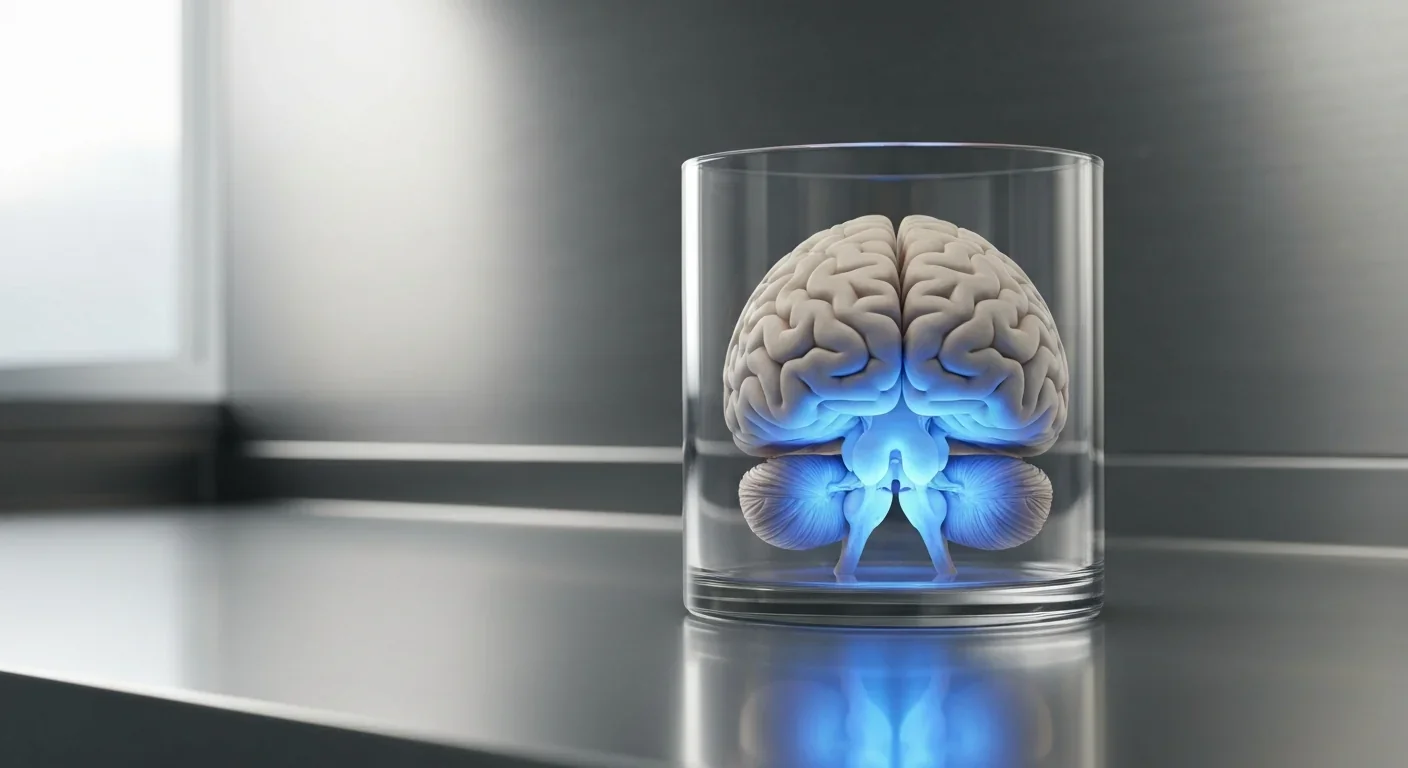
The locus coeruleus, a tiny brainstem structure, degenerates decades before Alzheimer's symptoms appear. Its loss cripples the brain's inflammation control, waste clearance, and sleep regulation. New imaging tools and noradrenergic therapies offer hope for early detection and prevention.
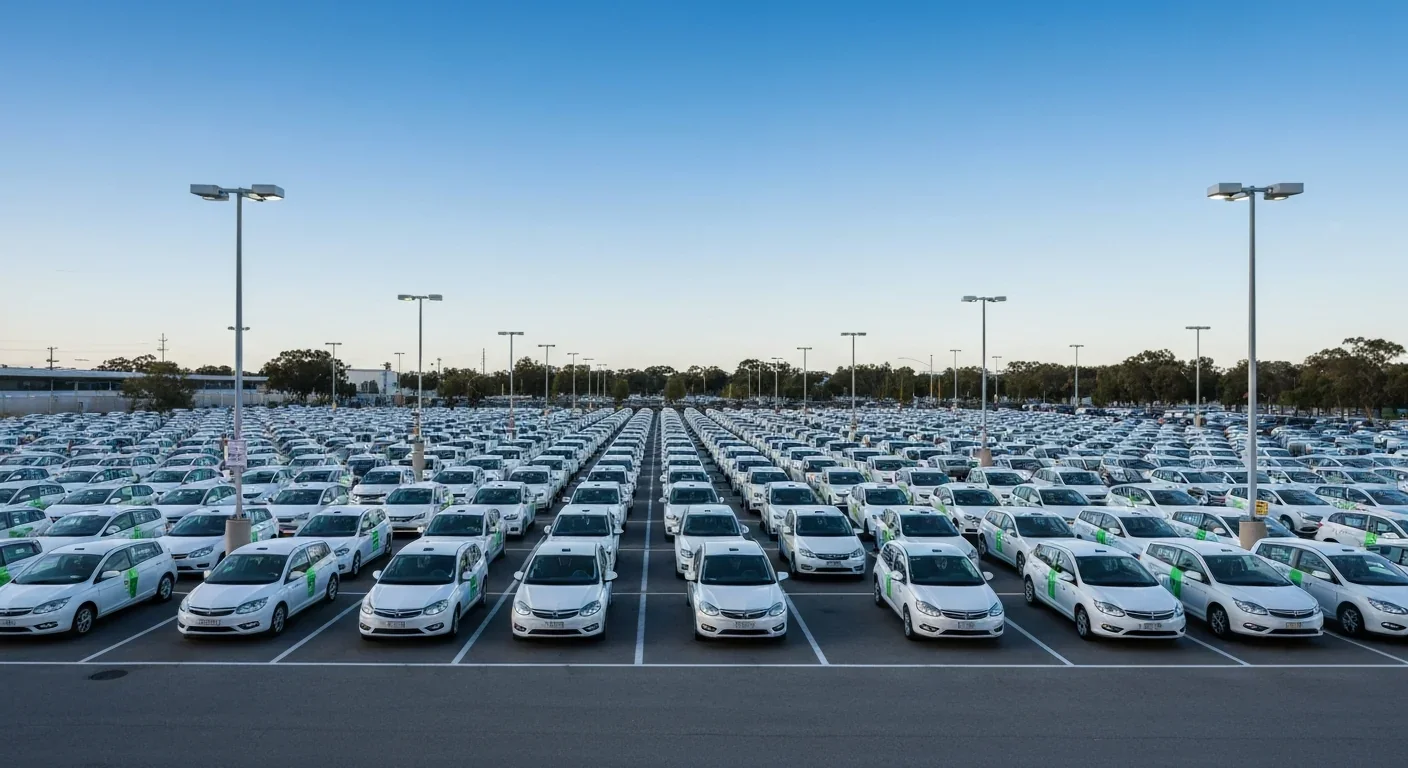
Research shows the sharing economy often increases total resource consumption through the Jevons paradox and rebound effects. Ride-sharing adds billions of vehicle miles, co-working spaces use more energy per worker, and diffused responsibility erodes conservation behavior. Breaking the paradox requires congestion pricing, accountability design, and matching sharing models to appropriate resource types.
Psychological reactance theory explains why banning or restricting things makes people want them more. From Prohibition to the Streisand effect to scarcity marketing, research shows that threatening people's freedom reliably backfires, and autonomy-supportive communication is far more effective.
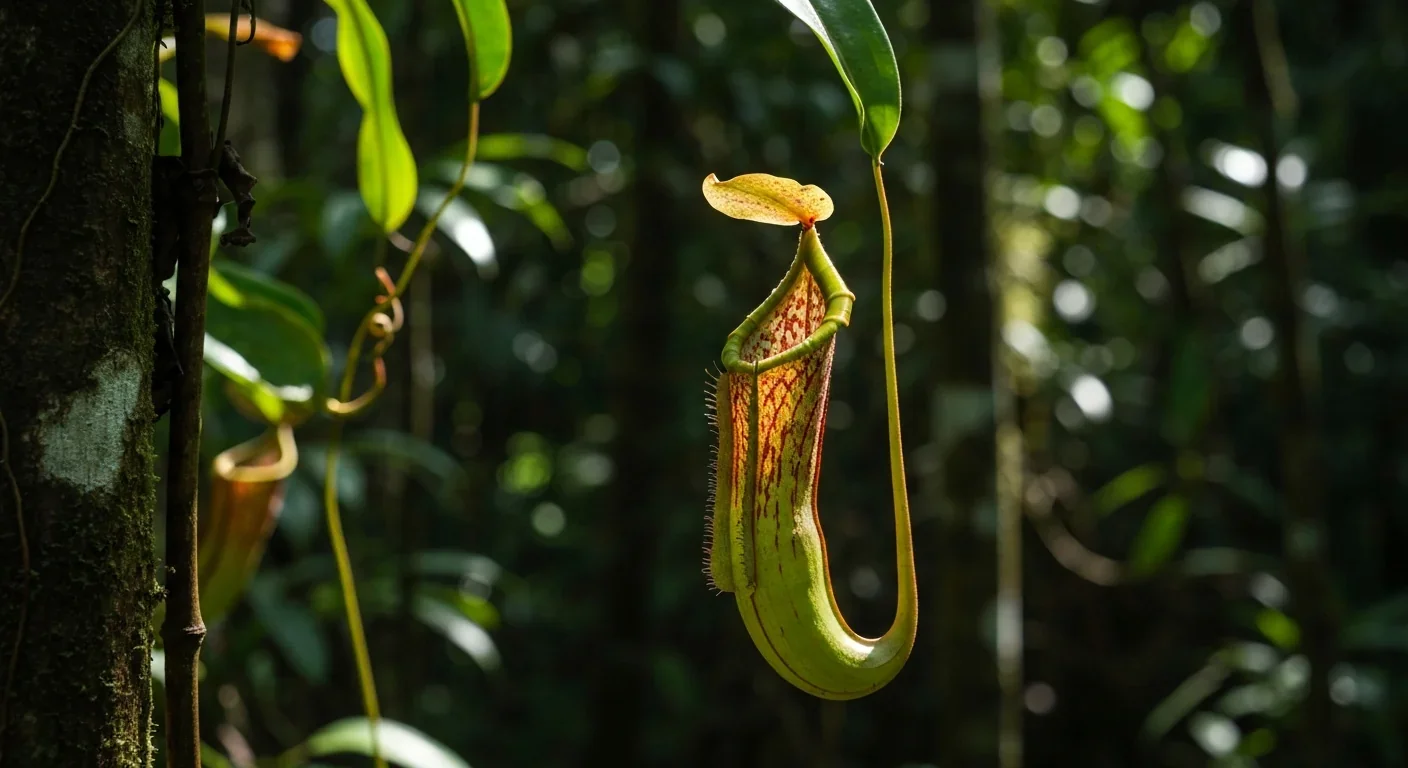
A carnivorous pitcher plant in Borneo evolved to house bats instead of trapping insects, gaining up to 95% of its nitrogen from bat guano. The plant even built an ultrasonic reflector to help bats find it, revealing that carnivory in plants is a flexible spectrum.

The quantified self movement began as a hacker-ethos pursuit of personal insight, but corporate wearables now funnel biometric data to employers, insurers, and data brokers. With 81% of Americans wrongly believing health apps are HIPAA-protected, a regulatory void enables health data to be sold for pennies while generating anxiety instead of empowerment.

CXL memory pooling lets servers dynamically share DRAM over a cache-coherent interconnect, eliminating the 40% stranded memory waste in data centers. With commercial hardware now shipping and Azure deploying CXL cloud instances, this technology promises to cut memory costs by 50% while enabling composable infrastructure.

Loading featured articles...