Why Banning Things Makes People Want Them More

Why Banning Things Makes People Want Them More
Action Bias: Why Doing Nothing Is Often the Best Move
Illusory Superiority: Why You Think You're Above Average
Status Quo Bias: Why Your Brain Fears Change

The Waiter Rule: Psychology of How You Treat Servers

Cheerleader Effect: Why You Look Better in Group Photos
TL;DR: The labor illusion makes us value services more when we see the effort behind them, even if outcomes are identical. Businesses leverage this bias through progress bars, open kitchens, and strategic inefficiency, raising ethical questions about authenticity versus manipulation.
Picture the last time you ordered something online. Did you feel more satisfied when you watched a progress bar inch across your screen, even though it might have been entirely cosmetic? That's not just psychology - it's the labor illusion at work, and businesses are betting millions that you'll never notice.
The labor illusion is deceptively simple: we value services more when we can see the effort behind them, even if the actual outcome stays exactly the same. A locksmith who takes five minutes to open your door seems less valuable than one who struggles for thirty, despite delivering identical results. The Harvard Business School researchers who first identified this phenomenon discovered something unsettling about human perception - we're not paying for results alone. We're paying for visible struggle.
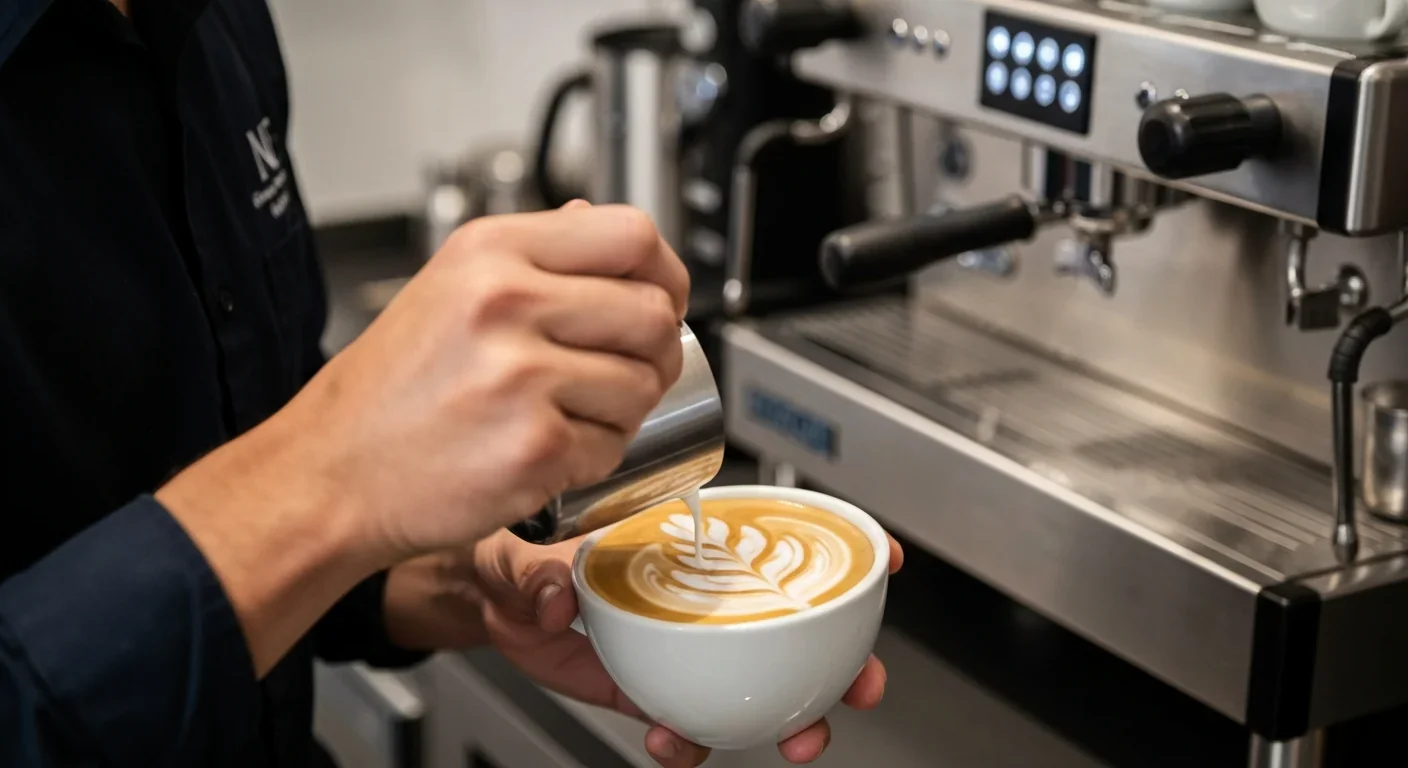
The labor illusion connects to deeper psychological mechanisms that researchers have spent decades mapping. At its core lies the effort heuristic, a mental shortcut where we unconsciously equate effort with value. When a barista performs elaborate latte art in front of you, your brain assigns higher worth to that coffee than if it arrived pre-made from a back room, even if both taste identical.
This isn't just about perception - it's tied to cognitive dissonance and effort justification. When we witness labor, we rationalize higher prices and tolerate longer waits because we've mentally linked exertion to quality. The psychological mechanism runs so deep that even when we know we're being influenced, we can't easily override the response.
Research shows that customers who see kitchen staff preparing food rate restaurants higher on cleanliness and quality - even when the actual hygiene standards remain identical.
Research from operational transparency studies shows that making work visible doesn't just change perception - it changes behavior. Customers who see kitchen staff preparing food rate restaurants higher on cleanliness and quality. Call center customers who hear typing sounds during holds assume representatives are working harder on their case. The illusion becomes reality in our minds.
The transformation began in unexpected places. Domino's Pizza, facing declining customer satisfaction in 2008, didn't improve their recipe - they built a pizza tracker. That simple progress indicator, showing each preparation stage in real time, helped fuel one of the most remarkable turnarounds in fast food history. Same pizza, different perception.

Open kitchen designs in restaurants exploit this principle brilliantly. By removing walls between diners and cooks, establishments transform cooking from hidden labor into performance art. Studies show that visible food preparation increases perceived value by 20-30%, even when the food itself remains unchanged. You're not just eating dinner - you're witnessing its creation.
Digital services took notice. When you search for flights on Kayak, you don't get instant results despite the search taking milliseconds. Instead, you watch messages like "checking 264 websites for the best deals" scroll past. That delay? Often artificial. The searching? Largely complete before the animation begins. But customers report higher satisfaction with results they had to "wait" for because they believe more effort went into finding them.
The effect cascades through the digital world. Loading animations, progress bars, and "processing" messages aren't always technical necessities - they're psychological tools. Research from 2025 found that websites using engaging loading animations saw 15% higher satisfaction scores than those with instant loads, even when total wait time was identical. We've been conditioned to trust effort over efficiency.
Companies aren't just noticing the labor illusion - they're weaponizing it. The implications stretch across pricing, customer satisfaction, and competitive strategy in ways that fundamentally reshape how services are designed and delivered.
Consider professional services. Management consultants have long understood that visible effort - thick reports, multiple presentations, frequent updates - justifies higher fees better than quick solutions delivered with minimal fanfare. A consultant who solves your problem in one week and invoices you for one week may face pushback. The same consultant solving the same problem but showing you three weeks of analysis, interviews, and deliberation can charge three times as much with fewer complaints.
E-commerce platforms discovered that delivery transparency creates value beyond logistics. Customers who receive frequent shipping updates - "your package is at the sorting facility," "out for delivery," "three stops away" - rate their experience higher than those who simply receive packages at the promised time with no updates. The outcome is identical, but perceived service quality differs dramatically.
"Efficiency, long considered the gold standard of service delivery, can actually hurt perceived value. An expert who works too quickly literally devalues their expertise by being too good at their job."
- Harvard Business Review
This creates a strange incentive structure. Efficiency, long considered the gold standard of service delivery, can actually hurt perceived value. An expert locksmith who opens your door in 30 seconds seems less skilled - and gets tipped less - than a novice who struggles for ten minutes. The faster worker literally devalues their expertise by being too good at their job.
Smart businesses are responding with "strategic inefficiency." Customer service scripts now include mandatory "research time" where representatives must wait before providing answers, even when they know the solution immediately. Some software deliberately includes brief processing delays to signal complexity and thoroughness. The goal isn't better service - it's better-perceived service.
Not everyone sees this as harmless psychology. Critics describe it as hygiene theater - visible actions designed more to create perception than deliver substance. During the pandemic, elaborate cleaning procedures performed in public view often mattered less for actual safety than they did for customer comfort. The labor illusion can drift into deception.

The ethical line gets murky when artificial delays or performative effort actively waste customer time. If a service could deliver results in ten seconds but artificially extends the experience to sixty seconds solely for psychological benefit, is that clever design or manipulation? Behavioral economists who study these effects increasingly wrestle with this question.
There's also an opportunity cost. Resources spent on making effort visible could be spent on actual improvements. A restaurant investing in an open kitchen gains perception points but might lose kitchen efficiency. A software company adding progress indicators diverts engineering time from features that deliver real value. The labor illusion can become a trap where appearance matters more than substance.
Cultural differences complicate the picture further. Research on cultural psychology shows that while the labor illusion appears universal, its strength varies. Cultures emphasizing collective effort and process value visible labor more highly than those prioritizing individual results and efficiency. What works in New York might fail in Tokyo, and vice versa.
Forward-thinking designers are finding ways to leverage the labor illusion ethically by making genuinely complex work visible rather than fabricating effort. The distinction matters. When UX designers use cognitive bias principles, they can either illuminate real processes or create false ones.
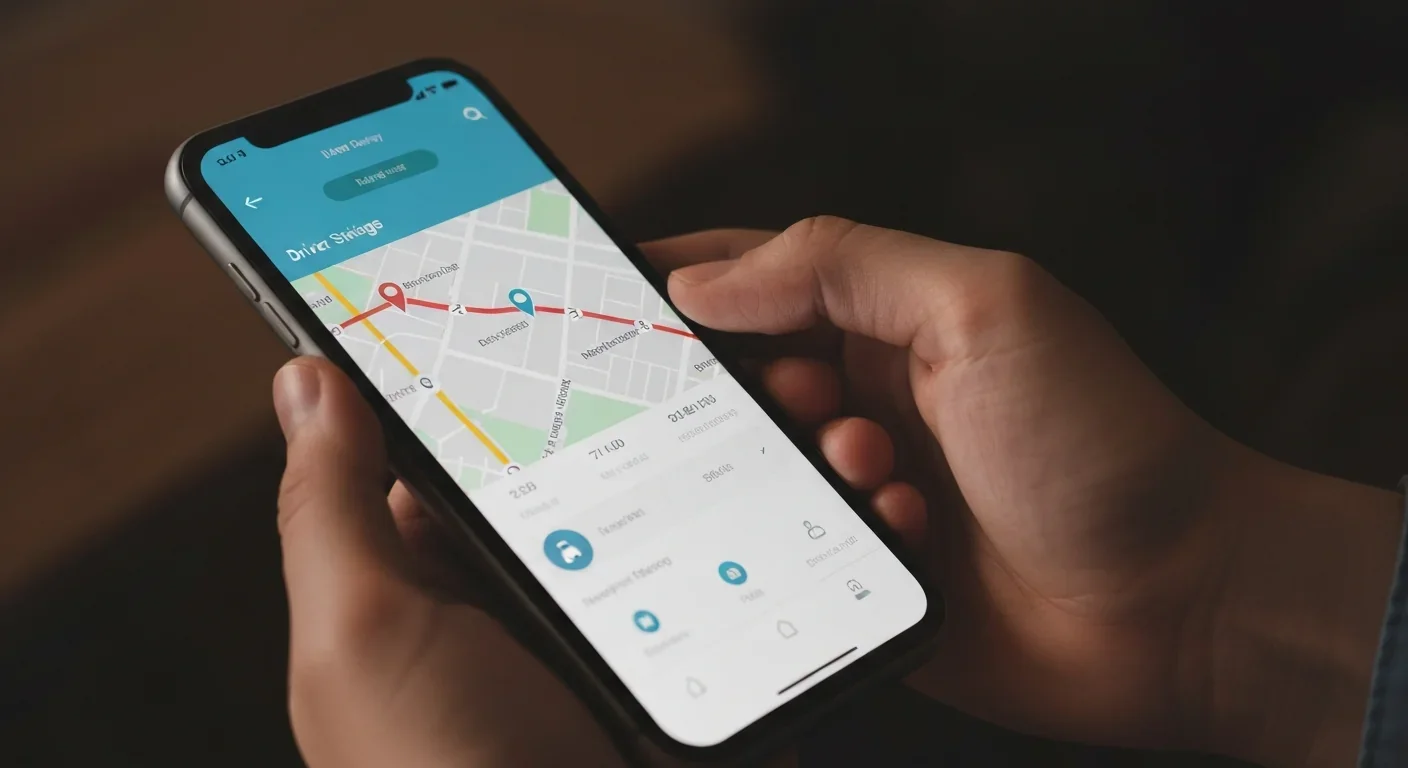
The ethical approach focuses on operational transparency - showing customers the actual work happening behind the scenes. When a food delivery app shows you the driver's real-time location, that's legitimate visibility of genuine effort. When it displays a "preparing your order" animation for a preset time regardless of actual kitchen status, that crosses into manipulation.
The best progress indicators genuinely track backend processes while managing expectations - serving dual purposes of technical feedback and psychological reassurance.
Some companies are embracing what researchers call "human-centric design" that balances efficiency with psychological needs. This means acknowledging that perfect efficiency might not create perfect experiences. A chatbot that instantly provides answers might seem less helpful than one that pauses briefly before responding, mimicking human thought patterns. The pause doesn't improve the answer, but it improves the experience.
The key is intentionality. Are you adding visible labor to demonstrate real complexity and build trust? Or are you manufacturing fake effort to inflate perceived value? The first builds sustainable relationships. The second eventually erodes trust when customers realize they're being manipulated.

Progress indicators represent the sweet spot. The best ones genuinely track backend processes while managing expectations. When GitHub shows you which tests are running during deployment, it serves dual purposes - technical feedback and psychological reassurance. That's the labor illusion working in harmony with actual function rather than against it.
As artificial intelligence and automation accelerate, the labor illusion creates a fascinating paradox. The better AI gets at tasks, the less valuable those tasks seem - precisely because the effort becomes invisible. An AI that writes a report in seconds may be perceived as less valuable than a human who takes hours, even if the quality is superior.
This has profound implications for the future of work. As routine tasks become automated, the value of labor may increasingly come not from the work itself but from making the work visible and understandable to others. The most valuable workers might not be the most efficient, but those best at articulating and demonstrating their effort.
Some companies are already adapting. AI-powered customer service bots increasingly include simulated "thinking" delays and typing indicators to seem more human and trustworthy. Automated investment platforms show detailed breakdowns of algorithmic analysis to justify fees that would seem excessive for "instant" AI decisions. We're not just automating work - we're automating the appearance of work.
The tension between efficiency and perception will only intensify. Research on AI transparency suggests that as algorithms make more decisions affecting our lives, the demand for visible "effort" - or at least visible process - will grow. Black box efficiency may be technically superior, but psychologically insufficient.
Understanding the labor illusion gives you dual advantages as both consumer and service provider. As a consumer, awareness helps you distinguish genuine value from perception management. That elaborate coffee ceremony might genuinely involve skill and craft, or it might be theater designed to justify a premium price. The progress bar might reflect real backend complexity, or it might be a timer set to run for 30 seconds regardless of actual processing time.
The questions to ask: Is this visible effort demonstrating real work, or manufacturing perceived work? Am I paying for better outcomes, or better performance of effort? Does the transparency actually inform me, or just reassure me?
As a service provider or business owner, the labor illusion offers strategic opportunities without requiring deception. Focus on making genuinely complex work visible. If your process involves real effort that customers don't see - research, quality checks, careful analysis - find ways to show it. If you're tempted to add artificial effort purely for perception, pause and consider whether that time could be better spent on actual improvement.
Response time matters, but so does response visibility. A customer service team that responds in two hours with visible effort - "I've checked with three departments and reviewed your account history" - often gets rated higher than one that responds in one hour with a simple answer. The trick is ensuring the visible effort is real, not fabricated.
The labor illusion isn't going away - if anything, it's becoming more central to service design as automation makes actual effort less visible. The challenge ahead is navigating this psychological reality without losing sight of genuine value creation.
We're entering an era where the perception of effort may matter as much as the effort itself. That's uncomfortable for those who believe value should speak for itself, but it reflects a deep truth about human psychology. We're social creatures who evolved to value visible cooperation and contribution. When we can't see the work, we struggle to value it appropriately.
The businesses and individuals who succeed will be those who learn to demonstrate genuine value rather than manufacture fake effort. They'll master the art of making complex work visible without adding unnecessary complexity. They'll understand that sometimes the perception is part of the product - not a trick, but a feature of human experience that deserves thoughtful design.
Next time you watch that progress bar, ask yourself: am I seeing real work, or just the illusion of it? The answer matters more than you might think, because the labor illusion doesn't just change how we perceive value. It changes what we're willing to pay for, who we trust, and how we design the services that shape our daily lives. In a world where effort becomes increasingly invisible, making the right work visible might be the most valuable skill of all.

Project Orion was a real 1960s program to reach other stars by detonating 800 nuclear bombs behind a spacecraft. The physics worked and the engineering was feasible, but the 1963 nuclear test ban treaty killed it. It remains the most credible interstellar spacecraft ever designed.

The locus coeruleus, a tiny brainstem structure, degenerates decades before Alzheimer's symptoms appear. Its loss cripples the brain's inflammation control, waste clearance, and sleep regulation. New imaging tools and noradrenergic therapies offer hope for early detection and prevention.
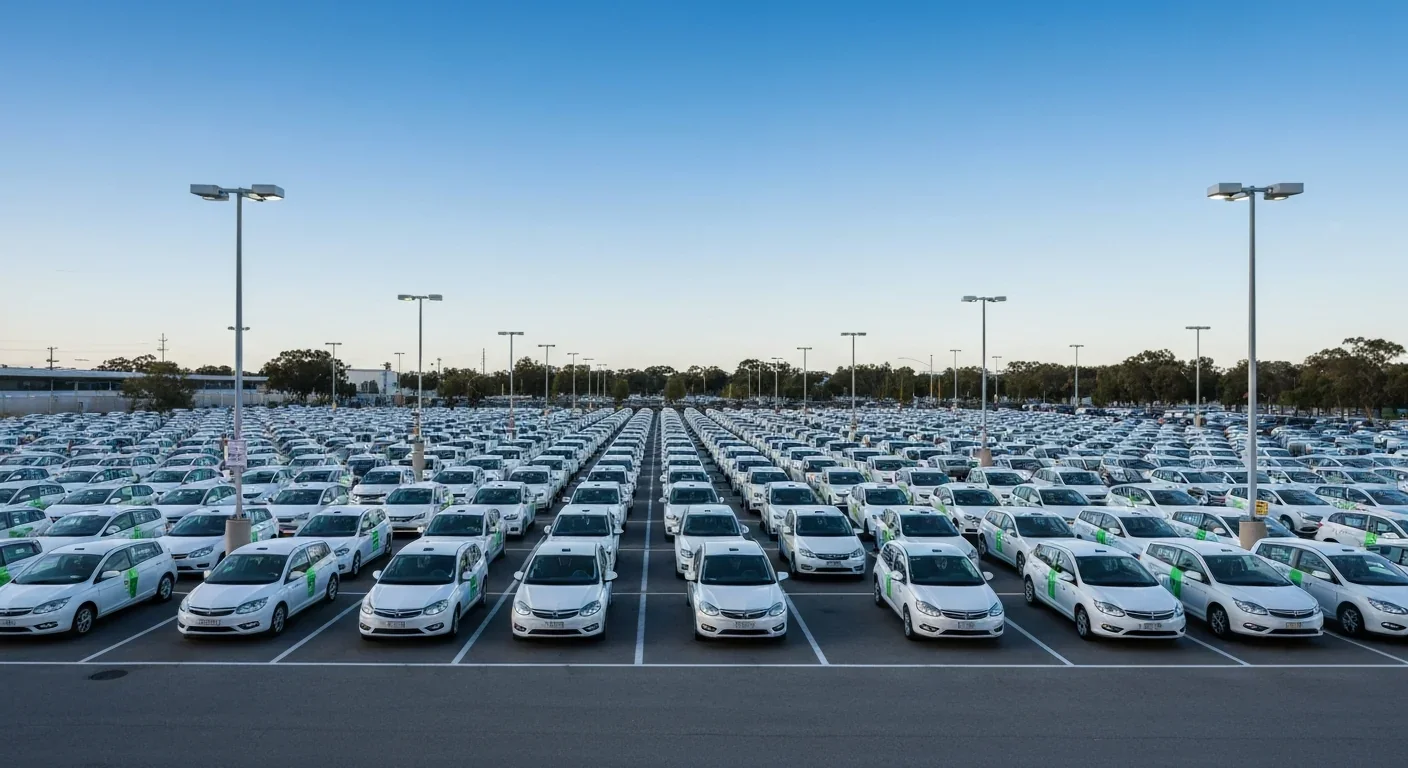
Research shows the sharing economy often increases total resource consumption through the Jevons paradox and rebound effects. Ride-sharing adds billions of vehicle miles, co-working spaces use more energy per worker, and diffused responsibility erodes conservation behavior. Breaking the paradox requires congestion pricing, accountability design, and matching sharing models to appropriate resource types.
Psychological reactance theory explains why banning or restricting things makes people want them more. From Prohibition to the Streisand effect to scarcity marketing, research shows that threatening people's freedom reliably backfires, and autonomy-supportive communication is far more effective.

A carnivorous pitcher plant in Borneo evolved to house bats instead of trapping insects, gaining up to 95% of its nitrogen from bat guano. The plant even built an ultrasonic reflector to help bats find it, revealing that carnivory in plants is a flexible spectrum.

The quantified self movement began as a hacker-ethos pursuit of personal insight, but corporate wearables now funnel biometric data to employers, insurers, and data brokers. With 81% of Americans wrongly believing health apps are HIPAA-protected, a regulatory void enables health data to be sold for pennies while generating anxiety instead of empowerment.

CXL memory pooling lets servers dynamically share DRAM over a cache-coherent interconnect, eliminating the 40% stranded memory waste in data centers. With commercial hardware now shipping and Azure deploying CXL cloud instances, this technology promises to cut memory costs by 50% while enabling composable infrastructure.

Loading featured articles...